West-facing house Vastu deserves more attention than it gets. West-facing homes are often overlooked by buyers, yet they suit many families well. The main door position and how you handle the afternoon sun make the difference. This guide covers both, along with the mistakes we see most often and how they are corrected without breaking a wall.
The guidance draws on traditional Vastu Shastra and on homes measured with the VIDS™ method: degree-accurate compass readings and a 16-zone map from the centre of the house.
A practical facing with one real challenge
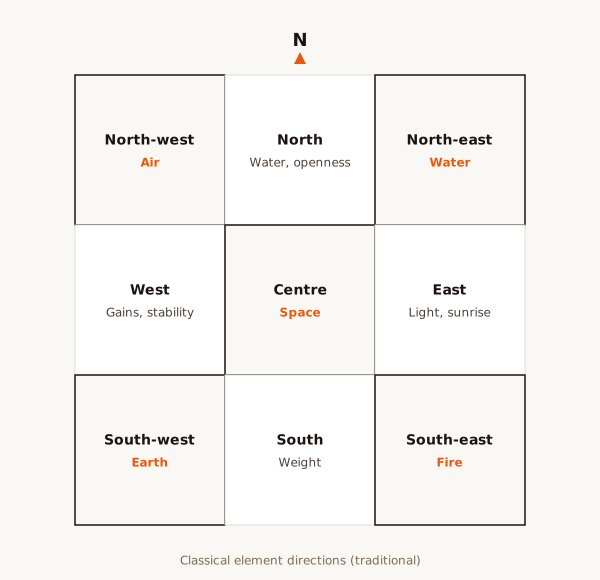
In Vastu tradition the west is associated with Varuna and with stability and gains over time. A west-facing house is not inferior; it simply needs the entrance in the right position and a layout that keeps the east and north at the back open.
The practical challenge in Bangalore is heat. The front of a west-facing house takes the strong afternoon sun, so the rooms on that side need shading and thoughtful use. Good Vastu planning and good climate planning point the same way here.
What “west facing” really means
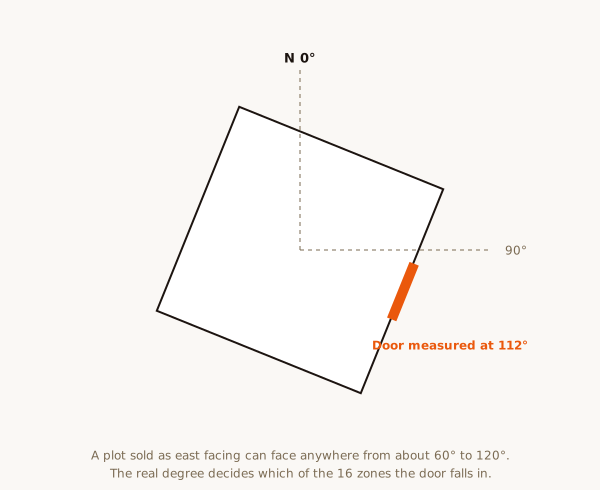
The west zone runs from 258.75 to 281.25 degrees, with west-south-west and west-north-west on either side. A house sold as west facing may face 250 or 290 degrees, which moves the entrance zone. We always measure the real degree on site.
Main door positions in west-facing house Vastu
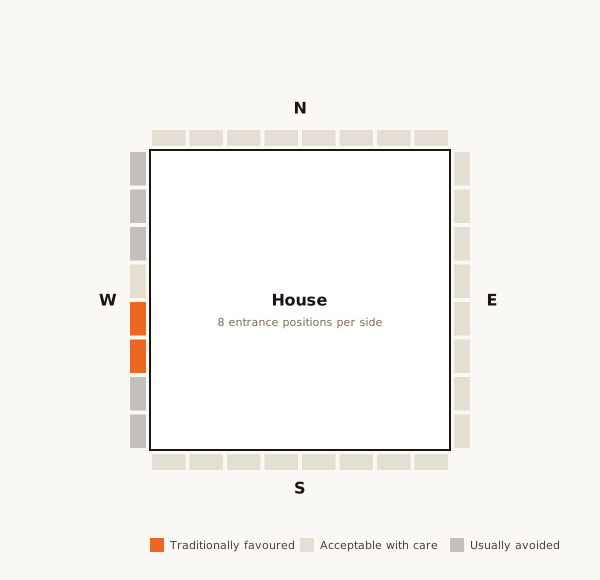
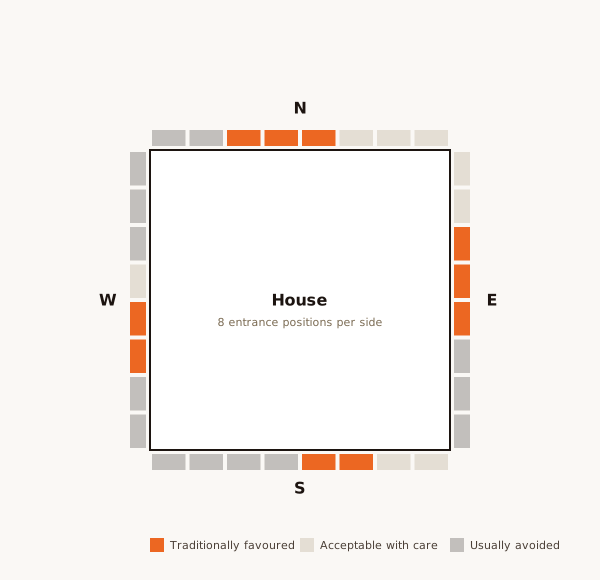
Classical texts divide each side of a building into eight entrance positions (padas). Different schools of Vastu name and rank them slightly differently. The positions below follow the most widely used reading, and we confirm them on your actual plan.
Along the west wall, counted from the south-west corner towards the north-west:
- 1st to 2nd positions (towards the south-west): usually avoided.
- 3rd to 4th positions: traditionally favoured.
- 5th position: acceptable with care.
- 6th to 8th positions (towards the north-west): usually avoided.
Doors right at either end of the west wall are the ones we usually correct, with threshold, colour and lighting.
Room layout for a west-facing home
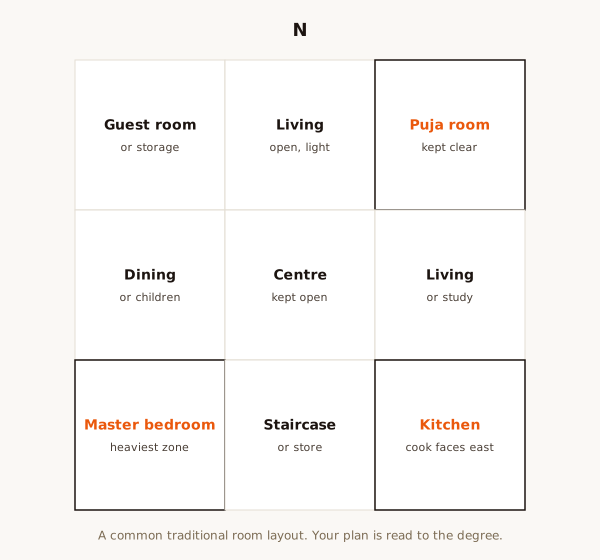
With the entrance on the west, a typical favourable layout:
- Master bedroom: south-west, bed head towards south or west.
- Kitchen: south-east preferred; north-west accepted.
- Living room: north or east at the back, with morning light.
- Puja room: north-east.
- Staircase: south or west.
- Children’s room: west or north-west.
Your plot and its exact degree decide the details.
Handling the afternoon sun
Shade the west face with a verandah, sit-out, pergola or planting rather than leaving it bare. Use the west rooms for activities that do not need cool afternoons, such as storage, a dressing room or a bedroom used mainly at night. Keep large glazing on the west modest, or shade it well.
Keep the back open
In a west-facing plot, the east and north are at the back. Keeping more open space there, with windows that bring in morning light, makes the back of the house the brightest and most pleasant part.
Common mistakes in west-facing homes
The problems we see most often:
- A main door at the south-west or north-west end of the west wall.
- Building right up to the east and north boundaries.
- A toilet or staircase in the north-east.
- An unshaded, fully glazed west front.
Each has a correction that works without demolition.
West-facing myths
“West facing means no morning light.” Planned well, the east side at the back can be the brightest part of the house.
“A west door must be moved.” We correct with threshold, colour and lighting after measuring its exact position.
West-facing apartments
In flats, the facing usually refers to the balcony. A west balcony gets the afternoon sun and a view of the sunset. We read the flat as a unit and suggest shading and sensible use of the west rooms.
Buying a west-facing plot
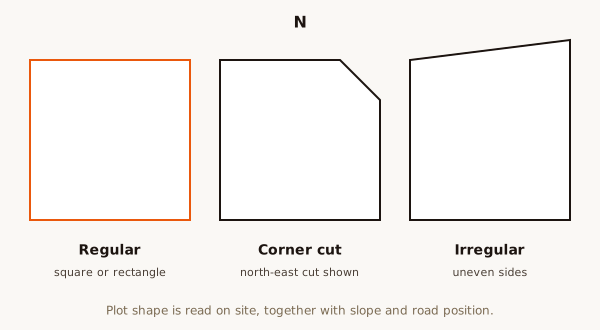
Check plot shape, slope, roads and surroundings, not just the facing. A regular west-facing plot that can keep its east and north open at the back is a good candidate. See plot Vastu.
Kitchens in west-facing homes
The south-east may sit at the back-left of a west-facing plot. Within the kitchen, place the stove so the cook faces east and keep the sink apart from the stove.
Water, sump and overhead tank
The sump or underground tank goes in the north or north-east at the back, and the overhead tank in the south-west, which in a west-facing plot is at the front-right.
Gates and compound walls
On the west boundary, place the gate in the favoured middle positions. A solid west compound wall, a little higher than the east wall, helps with both Vastu and afternoon heat.
Corrections without demolition
Corrections use room use, bed and desk position, storage, colour, light, shading and a clear centre. We do not sell yantras or products.
How we assess a west-facing house
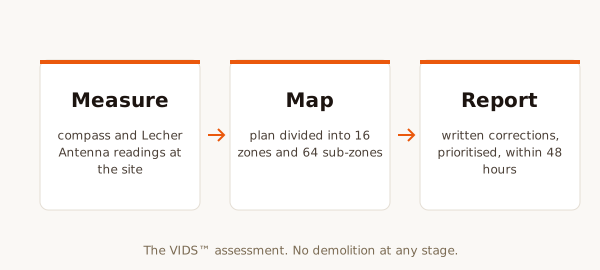
On site we take compass readings at several points, map the house into 16 zones and scan with the Lecher Antenna. A written report follows within 48 hours. See the sample report.
Compared with other facings
See our guides to east-facing, north-facing and south-facing homes.
Bedrooms upstairs
Upper-floor master bedrooms stay in the south-west; the north-east room is best kept light as a study or prayer room.
Renovating a west-facing house
Use the drawing stage to add shading on the west, move a planned staircase or toilet out of the north-east and keep the back open. See home renovation.
Where Vastu tradition and measurement meet
Our reports separate classical Vastu points, on-site readings and interpretation, as set out in our editorial standards.
Fees and booking
Independent houses are assessed at the Bangalore villa and independent house fee, plots at the pre-purchase plot fee and homes elsewhere online. See our Pricing page.
Living room and entrance foyer
In a west-facing home the main door opens from the west, but the main living space is often better placed towards the north or east at the back, where it stays cooler and gets morning light. A short entrance foyer that leads through to a living room on the north or east side works well. Keep the foyer uncluttered and well lit, with storage placed against the south or west walls rather than blocking the path to the door.
Car parking and the front setback
The front setback of a west-facing plot is usually used for parking. A covered car port on the west side also provides shade from the afternoon sun, which is a practical benefit. What matters more for Vastu is keeping the east and north at the back open, so avoid building an outhouse or store there.
Trees and shading on the west
Trees and climbers along the west boundary do double duty: they shade the hot west face and add weight to the west side, which is consistent with traditional guidance. Large trees are generally preferred towards the south and west rather than the north and east. A row of trees or a pergola with creepers is often the most pleasant fix for a west-facing front.
Balconies and terraces
On upper floors, balconies on the north and east are pleasant and traditionally favoured. A west balcony gets the sunset and the heat, and works best shaded with screens or plants. On the terrace, water tanks and solar heaters belong on the south-west part.
Children and study
The quietest study space in a west-facing home is often at the back, on the north or east side. We place the desk so the student faces north or east with a wall behind and daylight from the side, away from the hot west rooms in the afternoon.
A west-facing home we often see
A common Bangalore example: a 30 by 40 west-facing plot with the door at the north-west end of the front wall, the kitchen in the north-west beside it, a toilet in the north-east and the master bedroom in the south-west. The usual suggestions are to treat the door threshold and lighting, keep the kitchen stove placed so the cook faces east, keep the north-east toilet closed and light, and add shading on the west front. None of it requires construction.
A note on outcomes
A Vastu report is guidance based on classical principles and measured readings. It is not medical, legal or financial advice, and we never promise particular outcomes from any facing or correction.
Frequently asked questions.
Is a west-facing house good as per Vastu?
Yes, when the main door sits in a favourable position and the east and north at the back are kept open.
Where should the main door be in a west-facing house?
Along the west wall, the third and fourth of the eight positions counted from the south-west corner are traditionally favoured.
How do I handle afternoon heat in a west-facing house?
Shade the west face with a verandah, sit-out or planting, and use the west rooms for activities that do not need cool afternoons.
Where should the kitchen be in a west-facing house?
South-east is preferred; north-west is an accepted alternative.
Have a property here you want assessed?
Share the property type and a floor plan on WhatsApp for an exact quote and the next available date.